
 ★ 7.2
The Kitchen
A rat who dreams of cooking in Paris, a chef who quits his restaurant for a food truck, a widow who teaches a truck driver the perfect bowl of ramen. This guide gathers 156 films of food and drink on twelve shelves: in the kitchen, with chefs, sweets, fast food and family tables; at the table, with dinner parties, dark appetites, wine and the tables of Europe; and farther afield, with the kitchens of Asia, farms and fields, animated kitchens and food documentaries, with synopses, cast and where to watch.
Today's menu
Chefs and restaurantsChefs and restaurants
See the shelf (13)★ 7.2 ★ 7.1
 ★ 6.5
 ★ 6.7
 ★ 6.6
 ★ 7.3
 ★ 7.3
 ★ 7.3
 ★ 7.2
 ★ 7.0
 ★ 6.2
 ★ 6.2
Sweets, cafés and dinersSweets, cafés and diners
See the shelf (13)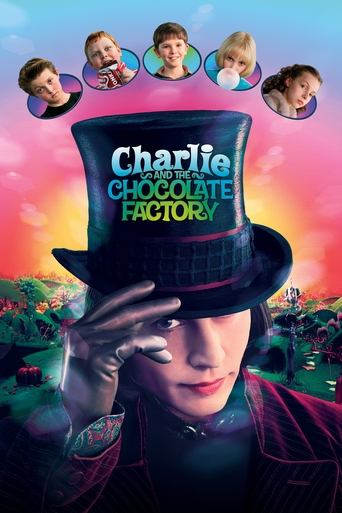 ★ 7.0
 ★ 7.0
 ★ 7.5
 ★ 7.0
 ★ 7.7
 ★ 6.9
 ★ 6.6
 ★ 6.7
 ★ 7.2
 ★ 6.6
 ★ 5.5
 ★ 7.4
Fast food and street foodFast food and street food
See the shelf (13)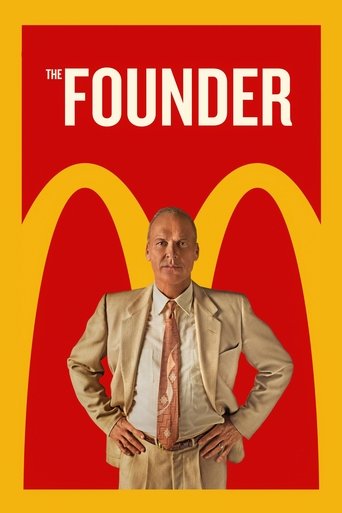 ★ 7.2
 ★ 6.9
 ★ 6.6
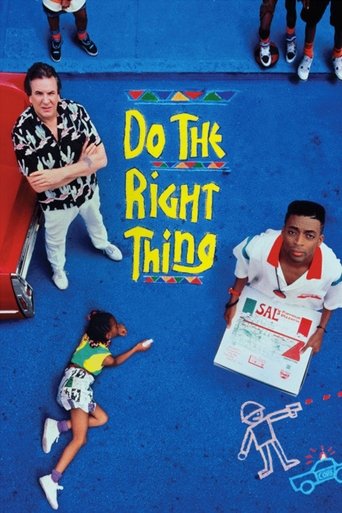 ★ 7.8
 ★ 6.2
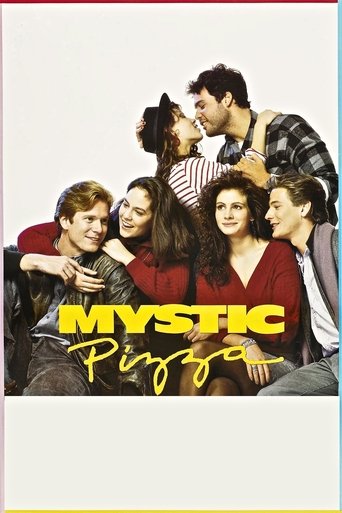 ★ 6.3
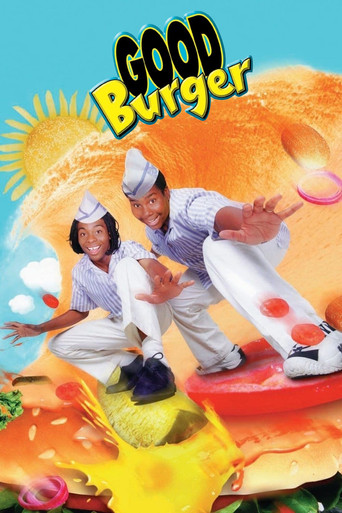 ★ 6.2
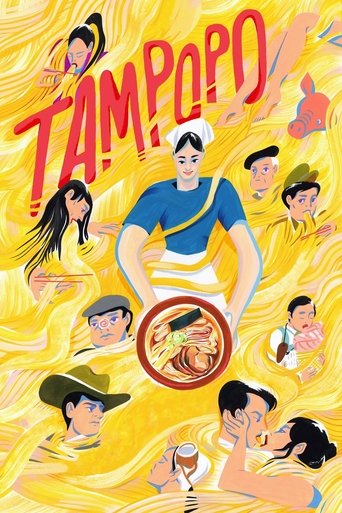 ★ 7.8
 ★ 6.0
 ★ 6.5
 ★ 6.8
 ★ 6.3
Family tablesFamily tables
See the shelf (13) ★ 6.2
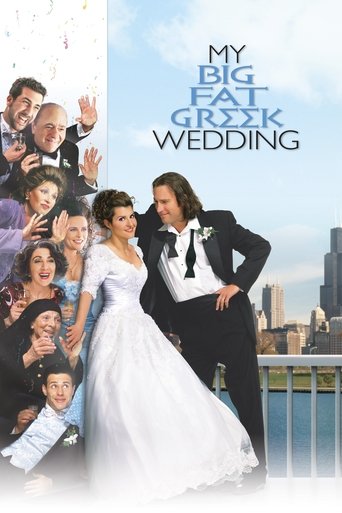 ★ 6.5
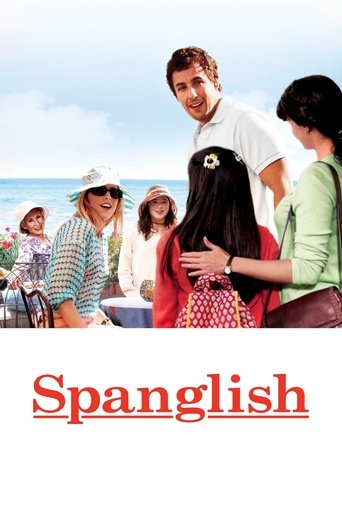 ★ 6.1
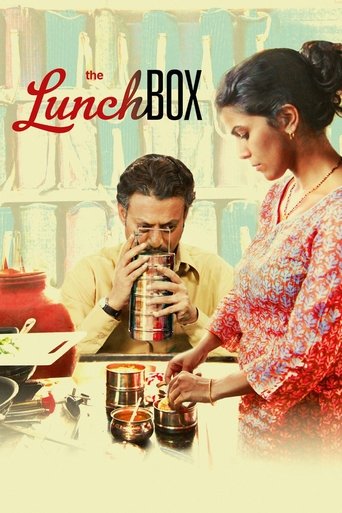 ★ 7.4
 ★ 7.3
 ★ 7.8
 ★ 7.2
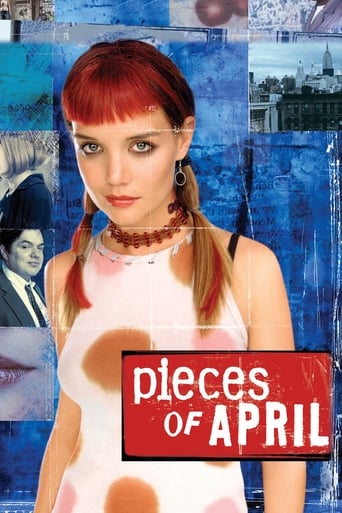 ★ 6.5
 ★ 6.3
 ★ 6.3
 ★ 6.4
 ★ 7.6
Dinner partiesDinner parties
See the shelf (13) ★ 7.8
 ★ 7.9
 ★ 6.4
 ★ 7.8
 ★ 5.7
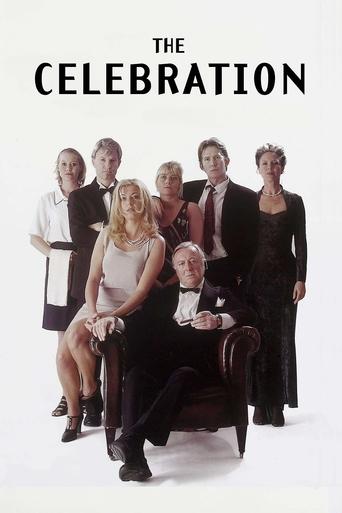 ★ 7.7
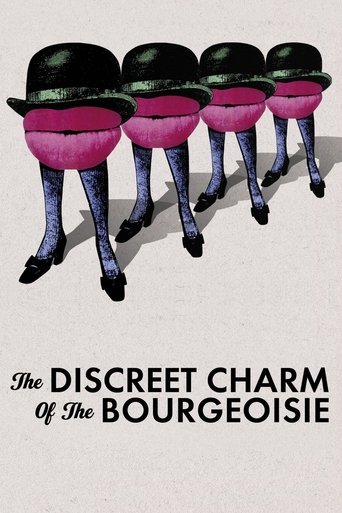 ★ 7.4
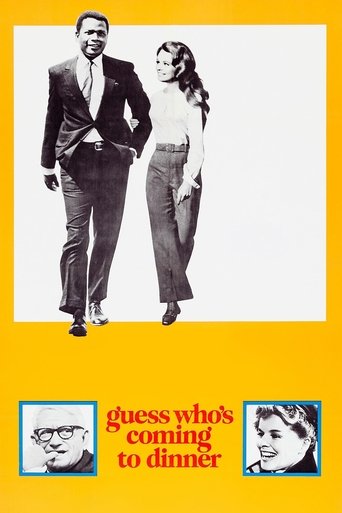 ★ 7.6
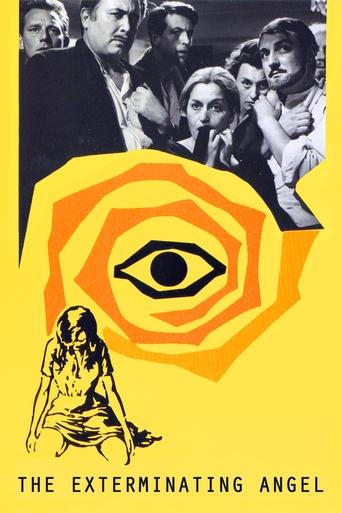 ★ 7.9
 ★ 7.1
 ★ 7.5
 ★ 6.6
Dark appetitesDark appetites
See the shelf (13) ★ 7.0
 ★ 7.2
 ★ 6.8
 ★ 7.0
 ★ 6.9
 ★ 7.0
 ★ 7.3
 ★ 6.9
 ★ 7.3
 ★ 6.8
 ★ 6.1
 ★ 5.8
Wine, beer and spiritsWine, beer and spirits
See the shelf (13) ★ 7.6
 ★ 7.1
 ★ 6.7
 ★ 6.1
 ★ 6.0
 ★ 5.9
 ★ 6.9
 ★ 5.5
 ★ 6.3
 ★ 6.1
 ★ 6.4
 ★ 7.3
European tablesEuropean tables
See the shelf (13)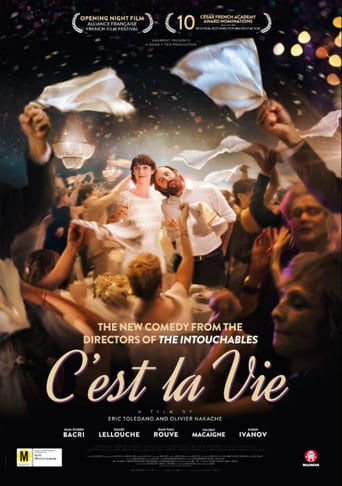 ★ 7.0
 ★ 7.2
 ★ 6.2
 ★ 6.9
 ★ 6.9
 ★ 6.8
 ★ 7.2
 ★ 7.1
 ★ 7.1
 ★ 6.9
 ★ 6.2
 ★ 6.1
Asian kitchensAsian kitchens
See the shelf (13)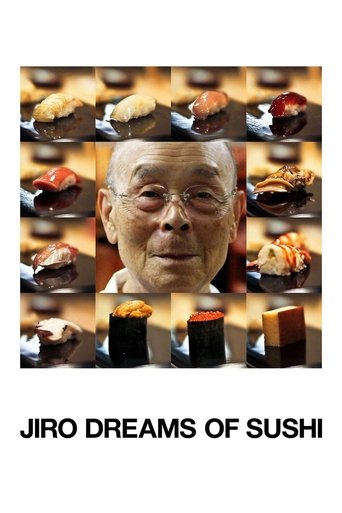 ★ 7.7
 ★ 7.5
 ★ 7.6
 ★ 7.2
 ★ 7.5
 ★ 7.6
 ★ 7.8
 ★ 6.8
 ★ 7.1
 ★ 5.5
 ★ 5.8
 ★ 6.5
Farms and fieldsFarms and fields
See the shelf (13) ★ 7.8
 ★ 7.3
 ★ 6.3
 ★ 6.2
 ★ 7.7
 ★ 7.0
 ★ 7.9
 ★ 7.7
 ★ 7.6
 ★ 7.7
 ★ 7.5
 ★ 6.9
Animated kitchensAnimated kitchens
See the shelf (13)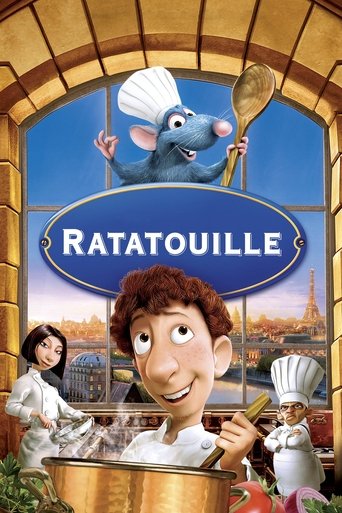 ★ 7.8
 ★ 8.5
 ★ 5.7
 ★ 6.7
 ★ 7.2
 ★ 7.1
 ★ 6.9
 ★ 6.6
 ★ 7.8
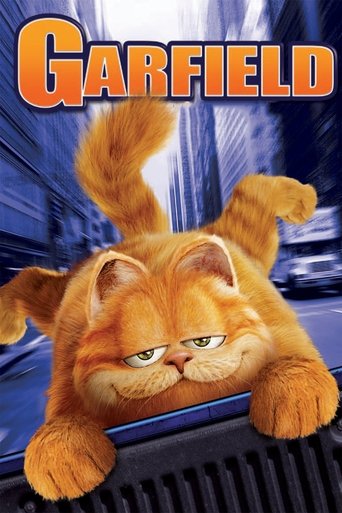 ★ 5.7
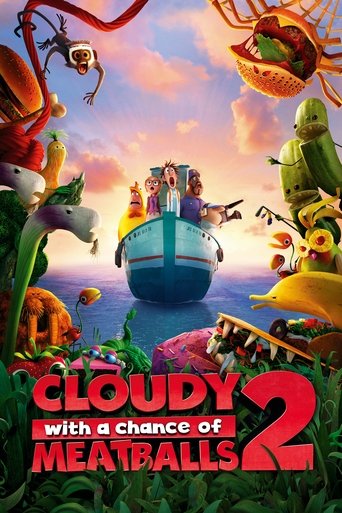 ★ 6.5
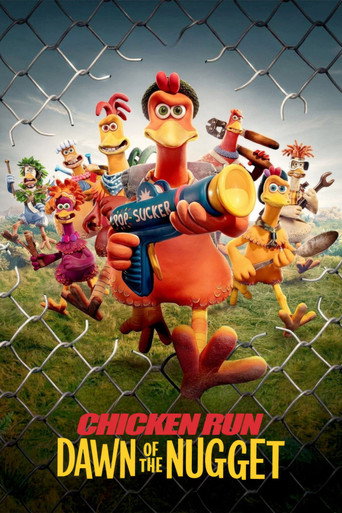 ★ 6.9
Food documentariesFood documentaries
See the shelf (13)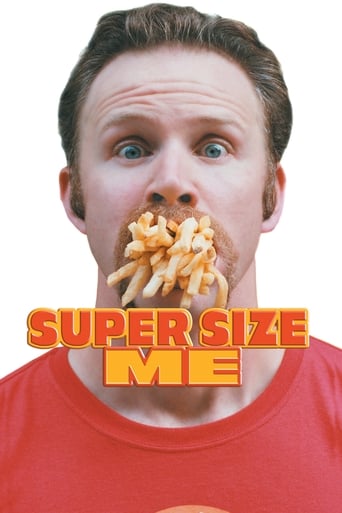 ★ 6.7
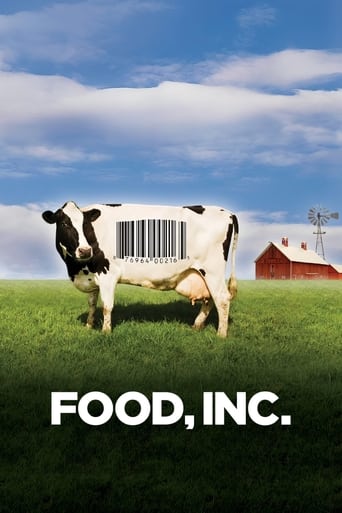 ★ 7.4
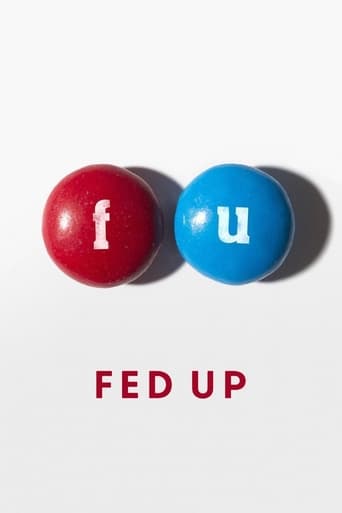 ★ 7.3
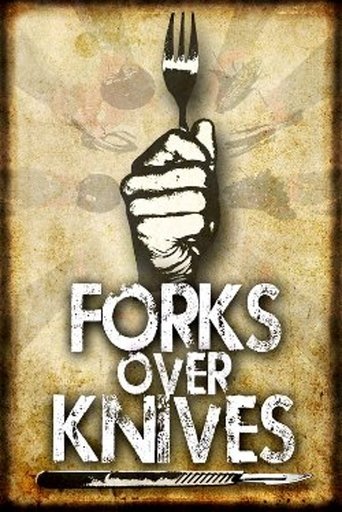 ★ 7.1
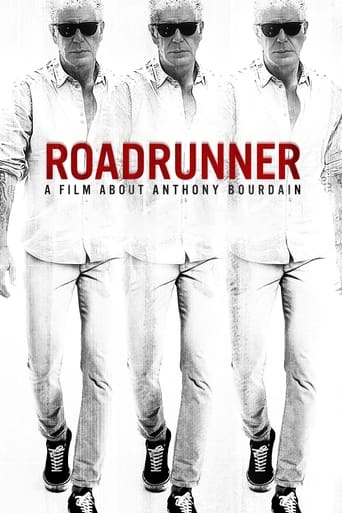 ★ 7.0
 ★ 6.4
 ★ 6.3
 ★ 6.9
 ★ 5.5
 ★ 7.1
 ★ 6.0
 ★ 7.5
The Kitchen guide
The Kitchen: films of cooks, kitchens and tables
Films to eat
Cinema has always loved to eat. A tramp boils his boot for Thanksgiving dinner in The Gold Rush, a dog and his girl share a plate of spaghetti in an alley, a rat who reads cookbooks cooks the dish that melts the heart of the cruellest critic of Paris. Food is the easiest thing to film and the hardest to share through a screen, and the films that manage it, with steam rising from a bowl or butter melting in a pan, leave their audience hungry. The Kitchen gathers 156 of them, films of cooks and kitchens, of meals and drink, of the farms that feed us and the appetites that frighten us, and sorts them on twelve shelves, in three families.
Every film of the guide has an English synopsis, its cast and director and a Watch now button that opens it on JustWatch, where you can see the services that offer it in your country. The oldest film is Rope, of 1948, Alfred Hitchcock's dinner party served on a chest that hides a body, and the newest came out in 2023, from Wonka to The Taste of Things. Together the films carry about 272,900 votes on TMDB, with an average rating of 6.85; the most voted is Ratatouille, of 2007, with about 19,100 votes, ahead of Spirited Away by a handful of votes, and Spirited Away, of 2001, is the best rated, with an 8.5. The guide Start with The Kitchen picks one film from each shelf, and the guide The great food films follows the history of food on screen.
The first family, In the kitchen, holds the films of those who cook: chefs and restaurants, sweets, cafés and diners, fast food and street food, and the cooking of family tables. The second, At the table, holds the films of those who eat and drink: dinner parties, dark appetites, wine, beer and spirits, and the long tables of Europe. The third, Farther afield, goes beyond the kitchen door, to the kitchens of Asia, the farms and fields where food begins, the animated kitchens of Pixar, Aardman and Studio Ghibli, and the documentaries that follow food from the soil to the plate.
The name and the look
The Wayback Machine keeps the name only as empty pages: thekitchen.ws from 2010 to 2018 as a placeholder of a hosting company and then a page of the registry of the .ws domain, thekitchen.cc as a single page of 2010, and the other endings of the name as blank. With only placeholders in the archive, this guide has an original design, built from the name itself, a kitchen at the end of a busy service.
The page is the white of flour. The header is a dark chalkboard, edged below by a line of tomato red, and the logo draws a chef's hat beside a crossed knife and spoon. The introduction sits on a white card topped by a strip of red and white gingham, like the cloth of a small restaurant, and the board of the home page is a chalkboard menu in a wooden frame, called Today's menu, with the twelve shelves written in chalk in three columns, one per family, each with its family in mustard yellow above it and a dotted line leading to its number of films, like the price of a dish. Each shelf is a white panel with a tomato-red top, and each poster carries the year on a basil-green ticket, the rating on a chalkboard ticket and the tag of its shelf on a red band at the bottom, in the typewriter letters of an order slip. The guide The look of The Kitchen explains each detail.
How the menu works
Every film of the guide is a film in which food or drink is at the heart of the story, or of its most famous scene, chosen by hand from TMDB: a film about cooks, about a restaurant, a café or a farm, about a meal or a drink, or about eating as a horror. Each film sits on a single shelf, chosen by its main course, and each shelf keeps its thirteen most voted films and lists them by votes, so that the best known come first. Films of food are made everywhere, and the guide holds films in fourteen languages: 103 of the 156 are in English, sixteen are in French, thirteen in Japanese and the others in Spanish, Italian, Danish, German, Mandarin, Cantonese, Hindi, Thai, Korean, Malayalam and Turkish, all with an English synopsis. The guide How the menu works sums up the rules.
The great food films
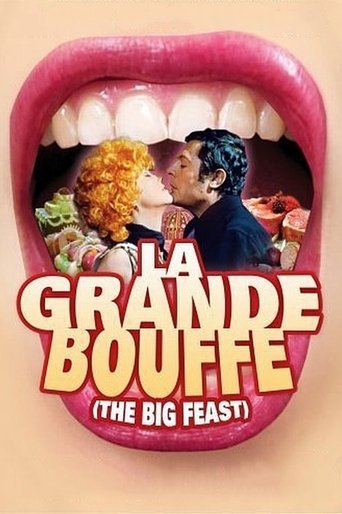
The food film became a genre in the 1980s. Before then, meals on screen were mostly scenes: the dinners of the rich that keep being interrupted in the satires of Luis Buñuel, the feast of four friends who decide to eat themselves to death in La Grande Bouffe, of 1973, the scandal of the Cannes festival of that year. Then, within three years, two films made food the subject itself. Tampopo, of 1985, by Jūzō Itami, called itself a ramen western: a truck driver in a cowboy hat helps a widow turn her noodle shop into the best in Tokyo, between sketches about every pleasure of eating, rated 7.8. Babette's Feast, of 1987, by Gabriel Axel, from the story of Karen Blixen, follows a French refugee who spends a lottery fortune on one great dinner for the austere villagers of a Danish coast, and won the Academy Award for the best foreign language film.
The 1990s carried the genre around the world. Like Water for Chocolate, of 1992, from the novel of Laura Esquivel, made the feelings of a Mexican cook pass into the dishes she prepares; Eat Drink Man Woman, of 1994, by Ang Lee, opens with a master chef of Taipei preparing a Sunday banquet for his three daughters; Big Night, of 1996, by Stanley Tucci and Campbell Scott, follows two Italian brothers who bet their failing restaurant on a single feast. The 2000s brought the chocolate of Chocolat and the rat of Ratatouille, and the 2010s the chef films of the age of food on television, from Chef to Burnt and The Hundred-Foot Journey. The guide The great food films follows the story.
In the kitchen
The first family, In the kitchen, gathers 52 films of those who cook, for a living or for love, with about 85,000 votes and an average of 6.79. Its four shelves move from the great restaurant to the sweet shop, the diner and the burger stand, and end at home, where most of the cooking of the world is done. The guide In the kitchen sums up the family.
Chefs and restaurants
The shelf Chefs and restaurants holds thirteen films from 1978 to 2023, and its most voted film is the darkest: The Menu, of 2022, by Mark Mylod, with Ralph Fiennes as a celebrated chef who serves his richest guests a tasting menu on a private island, and Anya Taylor-Joy as the one guest who was meant to stay away, rated 7.2 with about 6,800 votes. Chef, of 2014, written and directed by Jon Favreau, who also plays its hero, is its happy opposite: a chef fired from a restaurant of Los Angeles after a fight with a critic goes viral starts again with a food truck of Cuban sandwiches and drives it across the country with his son, rated 7.1.
The kitchens of the shelf are places of pressure. Burnt, of 2015, with Bradley Cooper as a fallen chef who wants a third Michelin star in London; Boiling Point, of 2021, by Philip Barantini, with Stephen Graham as a head chef on the worst night of the year, filmed in a single continuous shot of 92 minutes, rated 7.3; Hunger, of 2023, a Thai film of a young cook of street noodles hired by a famous and cruel chef, at 145 minutes the longest film of the guide. Pig, of 2021, with Nicolas Cage as a great chef of Portland who has become a hermit and returns to the city to find the truffle pig stolen from him, is the quietest of them.
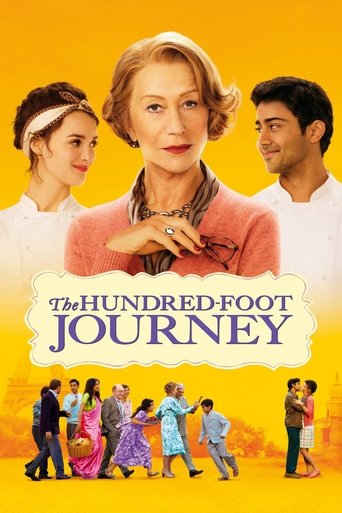
The others are stories of love and second chances. Julie & Julia, of 2009, the last film of Nora Ephron, with Meryl Streep as Julia Child and Amy Adams as a young woman who cooks every recipe of her book in a year; The Hundred-Foot Journey, of 2014, by Lasse Hallström, an Indian family who open a restaurant across the road from the French restaurant of Helen Mirren, rated 7.3; Last Holiday, of 2006, with Queen Latifah as a shy saleswoman who dreams of cooking and spends her savings on a grand hotel and its great chef, Gérard Depardieu; the brothers of Big Night, and Today's Special, of 2009, a sous-chef who inherits the tandoori kitchen of his father. The oldest film of the shelf, Who Is Killing the Great Chefs of Europe?, of 1978, by Ted Kotcheff, is a comic murder mystery in which the chefs die one by one in the manner of their best dish, and Love's Kitchen, of 2011, the lowest rated of the shelf, at 5.4, closes it.
Sweets, cafés and diners
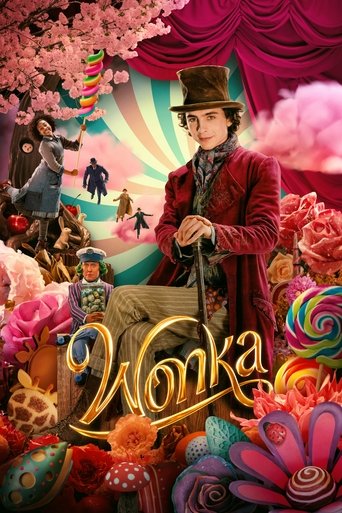
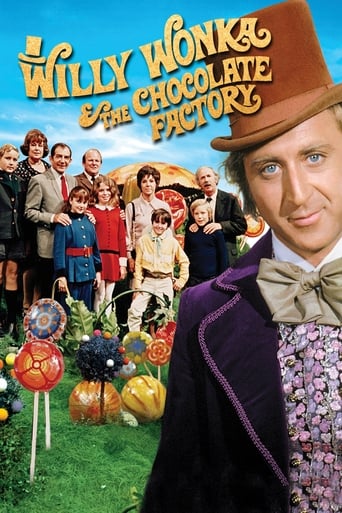
The shelf Sweets, cafés and diners holds thirteen films from 1971 to 2023, and the chocolate factory of Roald Dahl stands at its heart, with three films. Willy Wonka & the Chocolate Factory, of 1971, by Mel Stuart, with Gene Wilder as the strange chocolatier who opens his factory to five lucky children, is the oldest and the best loved, rated 7.5; Charlie and the Chocolate Factory, of 2005, by Tim Burton, with Johnny Depp, is the most voted film of the shelf, with about 16,500 votes, and Wonka, of 2023, by Paul King, with Timothée Chalamet, tells the youth of the chocolatier with songs. Chocolat, of 2000, with Juliette Binoche as a woman who opens a chocolate shop in a pious French village during Lent, and Romantics Anonymous, of 2010, a shy chocolate maker and her boss who are both terrified of love, complete the chocolate.
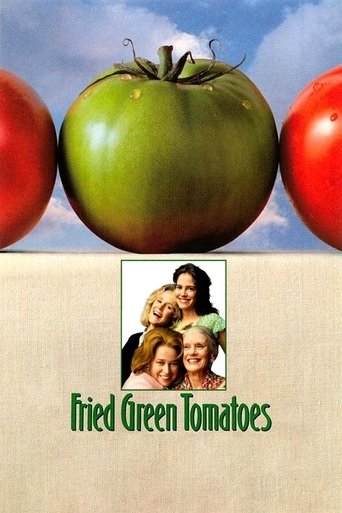
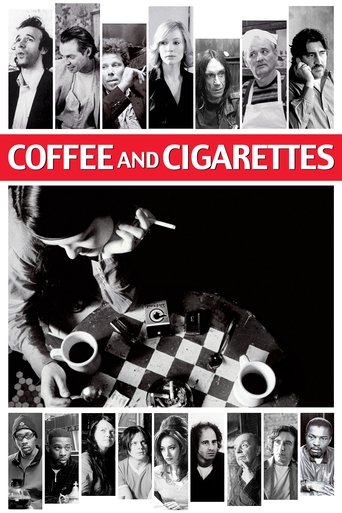
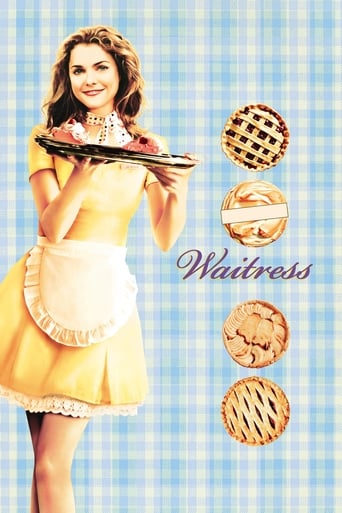
The cafés and diners of the shelf are places of friendship. Fried Green Tomatoes, of 1991, by Jon Avnet, with Kathy Bates and Jessica Tandy, tells the story of the Whistle Stop Café of Alabama in the 1930s, rated 7.7; Bagdad Cafe, of 1987, by Percy Adlon, brings a German tourist to a run-down motel café of the Mojave desert, rated 7.2; Waitress, of 2007, the last film of Adrienne Shelly, with Keri Russell as a waitress of a pie diner who invents pies for every feeling, became a Broadway musical. Coffee and Cigarettes, of 2004, by Jim Jarmusch, is a chain of short conversations over coffee, with Bill Murray, Cate Blanchett and Tom Waits among the drinkers.
Two Japanese films bring the shelf to Asia: Midnight Diner, of 2014, rated 7.7, level with Fried Green Tomatoes at the top of the shelf, from the television series of the small Tokyo restaurant that opens at midnight and cooks whatever its customers ask, and Kamome Diner, of 2006, rated 7.4, by Naoko Ogigami, a Japanese woman who opens a café of rice balls in Helsinki. Toast, of 2010, with Freddie Highmore as the young Nigel Slater, a boy who competes with his stepmother through cooking, and Simply Irresistible, of 1999, with Sarah Michelle Gellar as a cook whose dishes carry her moods, close it.
Fast food and street food
The shelf Fast food and street food holds thirteen films from 1982 to 2023, from the burger counter to the noodle stand. Its most voted film is The Founder, of 2016, by John Lee Hancock, with Michael Keaton as Ray Kroc, the milkshake salesman who met the McDonald brothers in California in 1954 and turned their fast restaurant into one of the largest chains of the world, rated 7.2 with about 5,600 votes. Coming to America, of 1988, by John Landis, sends Eddie Murphy as an African prince to Queens, where he takes a job at McDowell's, a burger restaurant that is careful to differ from a famous one, and the comedy of the drive-through continues in Good Burger, of 1997, and its sequel of 2023, Good Burger 2, with Kel Mitchell and Kenan Thompson.
The best rated films of the shelf are a pizzeria and a noodle shop, at 7.8 each. Do the Right Thing, of 1989, by Spike Lee, takes place on the hottest day of the summer around the pizzeria of Sal, played by Danny Aiello, in a street of Brooklyn, and its wall of famous Italian Americans sets off the anger of the neighbourhood; Tampopo, of 1985, is the ramen western of the history of the genre. Ramen returns twice more: The Ramen Girl, of 2008, with Brittany Murphy as an American in Tokyo who becomes the apprentice of a grumpy ramen master, and Ramen Heads, of 2017, a documentary on the obsessive ramen chef Osamu Tomita.
The other films of the shelf belong to the young and the hungry. Harold & Kumar Go to White Castle, of 2004, follows two friends of New Jersey across a long night in search of the little burgers of their dreams; Waiting..., of 2005, with Ryan Reynolds and Anna Faris, the waiters of a chain restaurant; Mystic Pizza, of 1988, an early role of Julia Roberts, three young waitresses of a pizzeria of Connecticut; Diner, of 1982, the first film of Barry Levinson, a group of young men who talk through the nights of 1959 in a diner of Baltimore, and Fast Food Nation, of 2006, by Richard Linklater, a fiction drawn from the book that exposed the meat industry behind the burger. The documentary of the burger, Super Size Me, sits on the shelf of documentaries.
Family tables
The shelf Family tables holds thirteen films from 1992 to 2021 about the cooking of home, where the family is fed, fought and forgiven. Its most voted film is Eat Pray Love, of 2010, with Julia Roberts as a writer who leaves her life in New York for a year of eating in Italy, praying in India and loving in Bali, and its second is My Big Fat Greek Wedding, of 2002, written by its star, Nia Vardalos, the daughter of a Greek family of Chicago whose relatives feed everyone they meet. Its best rated is Still Walking, of 2008, by Hirokazu Kore-eda, rated 7.8: a family gathers for a single summer day at the house of the parents, where the mother fries corn tempura and the memory of a dead son fills every pause.
The kitchen of home can also be a prison. The Great Indian Kitchen, of 2021, by Jeo Baby, a film in Malayalam, follows a young bride whose life in her husband's house shrinks to the sink and the stove, rated 7.6, and Like Water for Chocolate, of 1992, by Alfonso Arau, follows Tita, the youngest daughter of a Mexican family, forbidden to marry so that she may care for her mother, who pours her love into her cooking, rated 7.3. The Lunchbox, of 2013, by Ritesh Batra, with Irrfan Khan, begins with a mistake of the lunchbox carriers of Mumbai, who deliver the lunch that a lonely wife cooks for her husband to a lonely widower instead, and the two begin to write to each other in the box, rated 7.4.
The rest of the shelf gathers families of every kind around the table. The Wedding Banquet, of 1993, by Ang Lee, a gay man of New York who stages a marriage for his Taiwanese parents, rated 7.2; Spanglish, of 2004, by James L. Brooks, a Mexican housekeeper and the troubled family of a chef, played by Adam Sandler; Pieces of April, of 2003, with Katie Holmes cooking her first Thanksgiving turkey with a broken oven; Home for the Holidays, of 1995, directed by Jodie Foster, with Holly Hunter; Soul Food, of 1997, the Sunday dinners of a family of Chicago; Tortilla Soup, of 2001, a remake of the Ang Lee banquet in a Mexican American family of Los Angeles, and What's Cooking?, of 2000, by Gurinder Chadha, four families of Los Angeles on the same Thanksgiving day.
At the table
The second family, At the table, gathers 52 films of those who eat and drink, with about 74,500 votes and an average of 6.78. Its four shelves move from the dinner party to the dark side of appetite, to the glass and to the long tables of Europe. The guide At the table sums up the family.
Dinner parties
The shelf Dinner parties holds thirteen films from 1948 to 2017, and it is the second best rated shelf of the guide, after Farms and fields, with an average of 7.08. Its most voted film is the Italian Perfect Strangers, of 2016, by Paolo Genovese, in which seven old friends at dinner agree to read aloud every message that arrives on their phones, a film remade in many countries, rated 7.8 with about 4,700 votes. Its best rated films are two of the oldest of the guide, at 7.9 each: Rope, of 1948, by Alfred Hitchcock, two young men who kill a friend and serve the dinner on the chest that hides him, filmed as if in a few long shots, and The Exterminating Angel, of 1962, by Luis Buñuel, a dinner of rich guests in Mexico City who find that they are unable to leave the room.
Buñuel returns with The Discreet Charm of the Bourgeoisie, of 1972, six friends whose dinners are interrupted again and again by soldiers, dreams and death, the winner of the Academy Award for the best foreign language film, rated 7.4. The dinners of the shelf often hide a cruelty: The Celebration, of 1998, by Thomas Vinterberg, the first film of the Dogme 95 movement, in which a son rises at the sixtieth birthday dinner of his father to reveal the crimes of his childhood, rated 7.7; The Invitation, of 2016, by Karyn Kusama, a dinner party in the hills of Los Angeles that turns into a trap; The Dinner Game, of 1998, by Francis Veber, rated 7.8, in which rich Parisians compete to bring the biggest fool to a weekly dinner, remade in Hollywood as Dinner for Schmucks, of 2010, with Paul Rudd and Steve Carell.
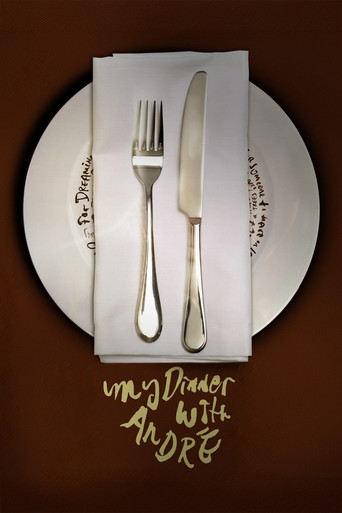
The rest of the shelf talks and eats. My Dinner with Andre, of 1981, by Louis Malle, is a single conversation of two friends in a restaurant of New York, rated 7.5; Guess Who's Coming to Dinner, of 1967, by Stanley Kramer, with Spencer Tracy, Katharine Hepburn and Sidney Poitier, brings a young Black doctor home to meet the white parents of his fiancée, rated 7.6; La Grande Bouffe gathers its four friends for their last feast; The Trip, of 2011, sends Steve Coogan and Rob Brydon on a tour of the restaurants of the north of England, and The Dinner, of 2017, with Richard Gere, Laura Linney and Steve Coogan, two couples who meet at a grand restaurant to discuss a crime of their sons, is the lowest rated film of the guide, at 4.5.
Dark appetites
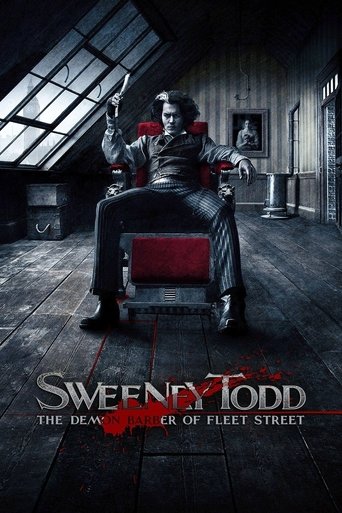
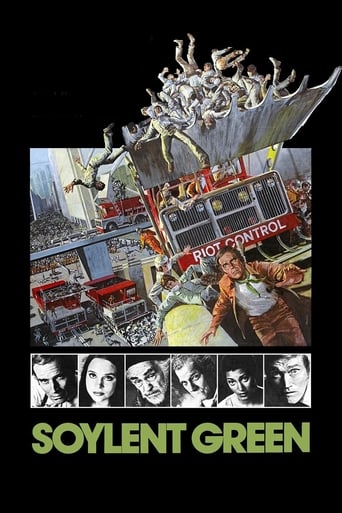
The shelf Dark appetites holds thirteen films from 1973 to 2022 in which eating becomes a horror, a crime or a fable of power. Its most voted film is the Spanish The Platform, of 2019, by Galder Gaztelu-Urrutia, a vertical prison where a single platform of food descends floor by floor, so that the prisoners above feast and those below starve, rated 7.0 with about 8,100 votes. Its classic is Soylent Green, of 1973, by Richard Fleischer, with Charlton Heston as a detective of an overcrowded New York of 2022 who discovers what the green wafers that feed the city are made of, and its most famous cook is Sweeney Todd: The Demon Barber of Fleet Street, of 2007, by Tim Burton, with Johnny Depp as the barber who kills his customers and Helena Bonham Carter as Mrs Lovett, who bakes them into pies.
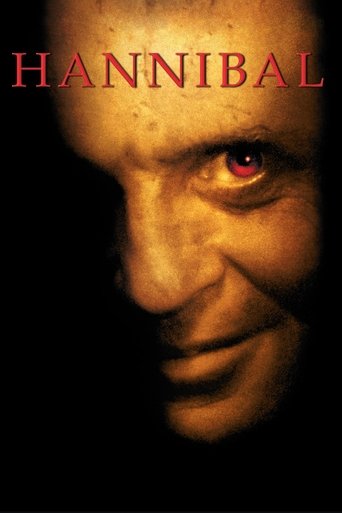
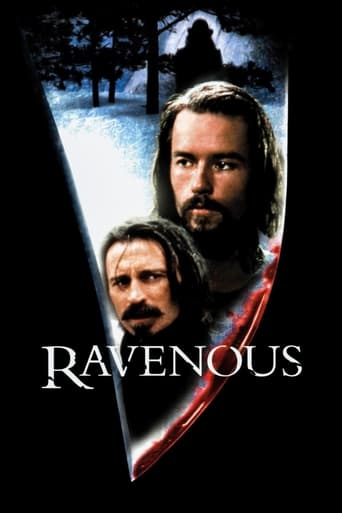
The cannibals of the shelf come in every style. Hannibal, of 2001, by Ridley Scott, with Anthony Hopkins, brings the doctor back for a dinner of the most famous kind; Raw, of 2017, the first feature of Julia Ducournau, follows a vegetarian student of a veterinary school who tastes raw meat for the first time and finds a hunger that grows and grows, rated 7.0; Bones and All, of 2022, by Luca Guadagnino, with Taylor Russell and Timothée Chalamet, is a love story of two young eaters on the roads of the America of the 1980s; Fresh, of 2022, with Daisy Edgar-Jones and Sebastian Stan, a first date that ends in a butcher's cellar, and Ravenous, of 1999, by Antonia Bird, with Guy Pearce and Robert Carlyle, a fort of the American frontier of the 1840s.
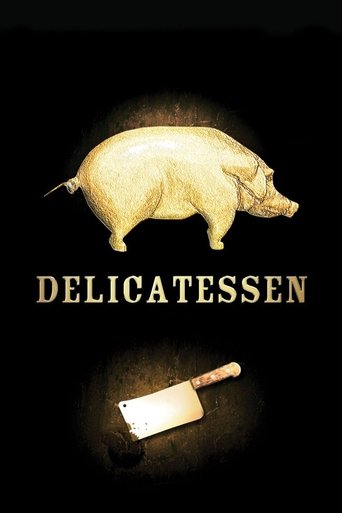
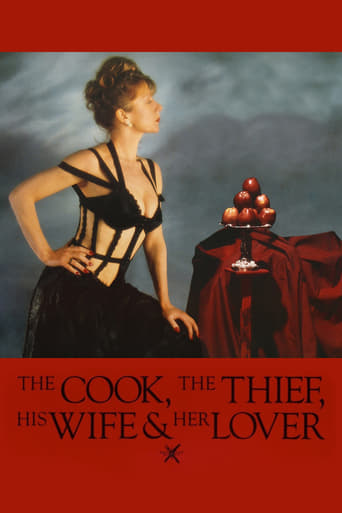
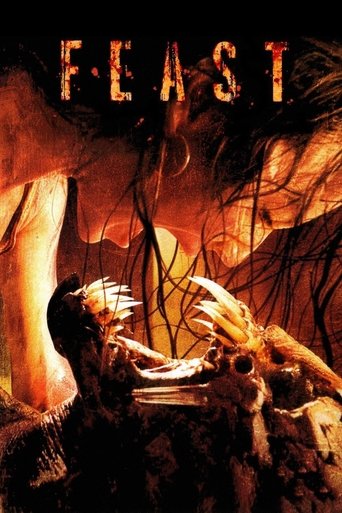
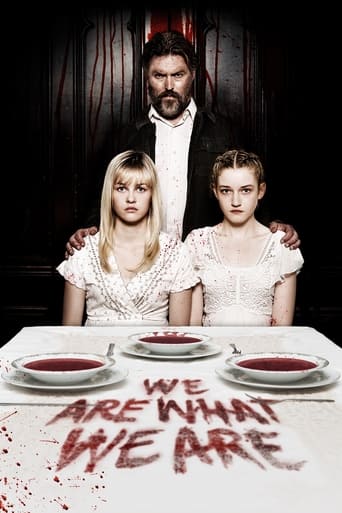
The best rated films of the shelf are two European fables of hunger, at 7.3 each. Delicatessen, of 1991, by Jean-Pierre Jeunet and Marc Caro, takes place in a building of a starving future above a butcher's shop, whose landlord feeds his tenants with the handymen he hires, and The Cook, the Thief, His Wife & Her Lover, of 1989, by Peter Greenaway, with Michael Gambon and Helen Mirren, is a revenge staged in the kitchen and dining room of a grand restaurant, in costumes by Jean-Paul Gaultier. We Are What We Are, of 2013, by Jim Mickle, a family of old rituals in the rain of the Catskills; Feast, of 2005, a bar besieged by monsters, and Motel Hell, of 1980, a farmer whose smoked meats hide a secret, close it. The guide The cannibal table follows the darkest dinners of the guide.
Wine, beer and spirits
The shelf Wine, beer and spirits holds thirteen films from 1988 to 2020 about what we drink with the meal, and after it. Its most voted and best rated film is the Danish Another Round, of 2020, by Thomas Vinterberg, with Mads Mikkelsen as one of four teachers who test the theory that a little alcohol in the blood makes life better, winner of the Academy Award for the best international feature film, rated 7.6 with about 4,000 votes. Sideways, of 2004, by Alexander Payne, with Paul Giamatti as a wine lover who takes his friend on a last week of freedom through the vineyards of Santa Barbara, is the most famous wine film of all, rated 7.1, and it changed what Americans ordered, with its hero's love of pinot noir and contempt for merlot.
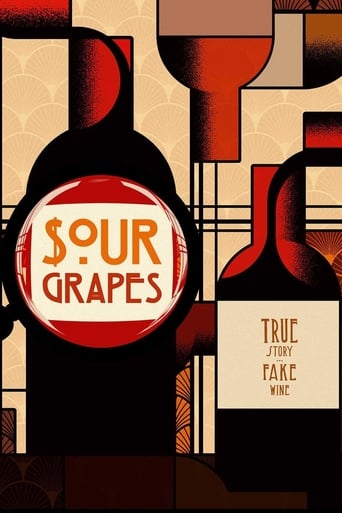
The vineyards of the shelf are many. A Good Year, of 2006, by Ridley Scott, with Russell Crowe as a banker of London who inherits a vineyard of Provence; Bottle Shock, of 2008, with Alan Rickman, the tasting of Paris of 1976, when the wines of California beat the wines of France; Uncorked, of 2020, a young man of Memphis who wants to be a master sommelier, and Somm, of 2013, the documentary of four candidates for the same exam, one of the hardest in the world. Sour Grapes, of 2016, rated 7.3, tells the true story of Rudy Kurniawan, the collector who sold millions of dollars of forged rare wines, and Wine Country, of 2019, directed by Amy Poehler, sends six old friends to the Napa Valley for a birthday.
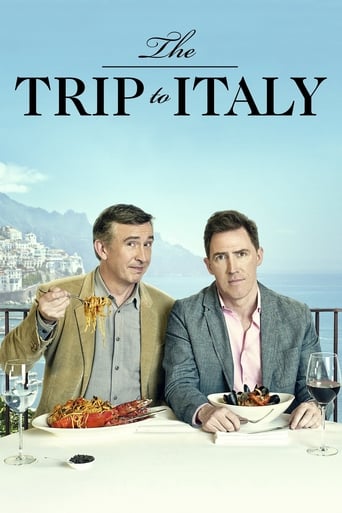
Beer and spirits close it. Cocktail, of 1988, with Tom Cruise as a bartender who juggles bottles from New York to Jamaica; Drinking Buddies, of 2013, by Joe Swanberg, two workers of a craft brewery of Chicago; Beerfest, of 2006, by the comedy troupe Broken Lizard, the secret beer games of the Oktoberfest; The Angels' Share, of 2012, by Ken Loach, a young man of Glasgow given a last chance who discovers he has a nose for whisky, rated 6.9, and The Trip to Italy, of 2014, the second tour of Steve Coogan and Rob Brydon, among the wines and restaurants of Piedmont, Liguria and the south. The guide The wine films pours them in order.
European tables
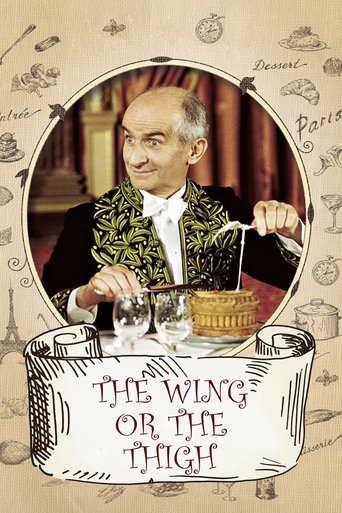
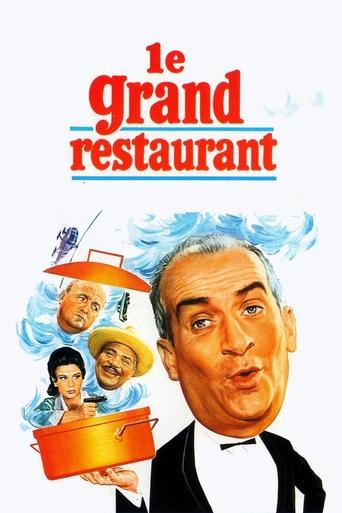
The shelf European tables holds thirteen films from 1966 to 2023, eight of them in French, and it follows the long tradition of the European table, from the royal banquet to the bistro. Its most voted film is C'est la vie!, of 2017, by Éric Toledano and Olivier Nakache, with Jean-Pierre Bacri as a wedding caterer whose staff, kitchen and patience fall apart over one night in a château, rated 7.0 with about 1,650 votes. Louis de Funès, the great comic of French cinema, has two films on the shelf: The Restaurant, of 1966, as the tyrannical owner of a grand restaurant of Paris caught in a kidnapping, and The Wing or the Thigh?, of 1976, by Claude Zidi, as the author of a famous restaurant guide who fights the king of industrial food, with Coluche as his son, rated 7.2.
The cooks of history fill the rest. The Taste of Things, of 2023, by Trần Anh Hùng, with Juliette Binoche and Benoît Magimel, follows a gourmet of the 1880s and the cook he loves through the seasons of their kitchen, and won the prize for best director at Cannes; Delicious, of 2021, by Éric Besnard, follows a cook dismissed by his duke in 1789 who opens one of the first restaurants of France; Vatel, of 2000, by Roland Joffé, with Gérard Depardieu as the steward of a prince who stages a feast of three days for Louis XIV; Haute Cuisine, of 2012, with Catherine Frot as the private cook of a president of France, drawn from the life of the cook of François Mitterrand, and Le Chef, of 2012, with Jean Reno and Michaël Youn, an old star chef and a young cook who knows all his recipes.
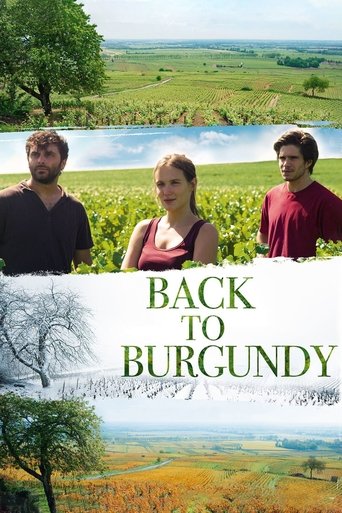
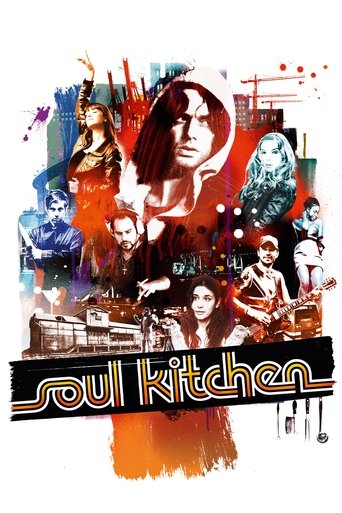
The tables of other European countries complete it. Babette's Feast, of 1987, rated 7.2, the best rated of the shelf with The Wing or the Thigh?; Soul Kitchen, of 2009, by Fatih Akin, the noisy restaurant of a Greek German in Hamburg; Bread and Tulips, of 2000, by Silvio Soldini, an Italian housewife left behind at a motorway stop who starts a new life in Venice, rated 7.1; Back to Burgundy, of 2017, by Cédric Klapisch, three siblings who return to the vineyard of their father, and Woman on Top, of 2000, with Penélope Cruz as a Brazilian cook whose motion sickness and a broken heart carry her to San Francisco. The guide The French table follows its films.
Farther afield
The third family, Farther afield, gathers 52 films that take the guide beyond the kitchen door, with about 113,400 votes, the most of the three families, and an average of 6.97, the best of the three. Its four shelves travel to the kitchens of Asia, out to the farms and fields, into the drawn kitchens of animation and behind the scenes with the documentaries. The guide Farther afield sums up the family.
Asian kitchens
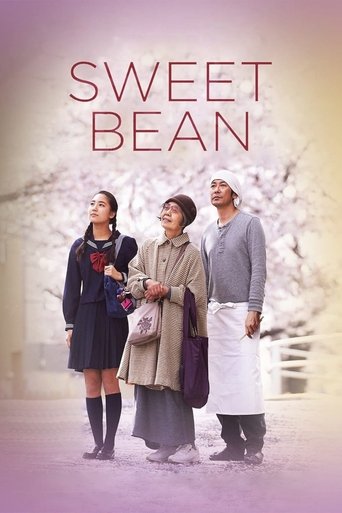
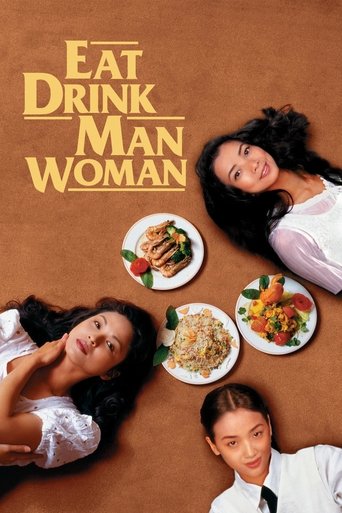
The shelf Asian kitchens holds thirteen films from 1989 to 2018, six of them Japanese. Its most voted and best known film is Jiro Dreams of Sushi, of 2011, by David Gelb, the documentary of Jiro Ono, a master of sushi of 85 who serves ten seats in a small restaurant of a Tokyo subway station and still wants to improve, rated 7.7. Sweet Bean, of 2015, by Naomi Kawase, follows an old woman who teaches the owner of a small shop of dorayaki pancakes to make the perfect sweet bean paste, rated 7.5, with the great actress Kirin Kiki; Eat Drink Man Woman sits here too, with its master chef of Taipei, rated 7.6.
The best rated film of the shelf is Little Forest: Summer/Autumn, of 2014, rated 7.8, a young woman who returns from the city to her village in the mountains of Tōhoku and cooks what the seasons give her, from the same manga as the Korean Little Forest, of 2018, by Yim Soon-rye, with Kim Tae-ri, rated 7.6. The cooks of Hong Kong bring the comedy: The God of Cookery, of 1996, with Stephen Chow as a celebrity chef who loses everything and wins it back with a dish of pissing beef balls, rated 7.2; Cook Up a Storm, of 2017, a street cook against a chef trained in France, and Kung Fu Chefs, of 2009, with Sammo Hung.
The rest of the shelf is gentle. Ramen Shop, of 2018, by Eric Khoo, a young ramen chef of Japan who travels to Singapore to find the recipes of his late mother; The Chef of South Polar, of 2009, the cook of a research station in Antarctica who feeds eight men through a long winter; Udon, of 2006, a young man who returns to the noodle country of Kagawa; Rice Rhapsody, of 2005, a Singapore mother and her three sons, and Kitchen, of 1989, by Yoshimitsu Morita, from the first novel of Banana Yoshimoto, a young woman who can only sleep beside the refrigerator after the death of her grandmother, a film with just three votes. The guide The ramen films follows the noodles of the guide.
Farms and fields
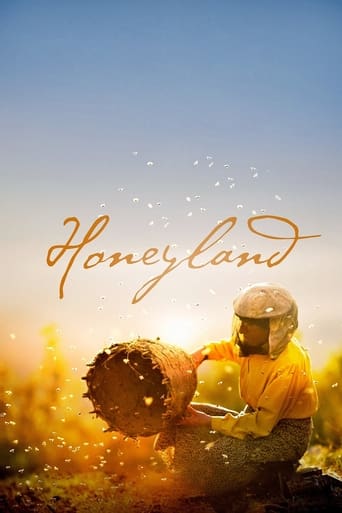
The shelf Farms and fields holds thirteen films from 1986 to 2020 about the places where food begins, and it is the best rated shelf of the guide, with an average of 7.22. Its most voted film is Fantastic Mr. Fox, of 2009, by Wes Anderson, from Roald Dahl, a fox who returns to his old life of raiding the three meanest farmers of the valley, Boggis, Bunce and Bean, rated 7.8 with about 6,400 votes. Its best rated is Honeyland, of 2019, by Ljubomir Stefanov and Tamara Kotevska, the documentary of Hatidze Muratova, one of the last wild beekeepers of Europe, in a deserted village of North Macedonia, rated 7.9, nominated for the Academy Awards for the best documentary and the best international film.
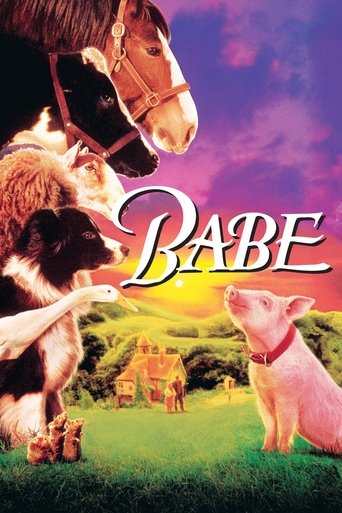
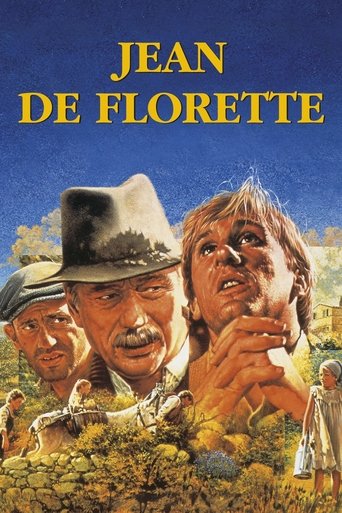
The animals of the farm have their own films. Okja, of 2017, by Bong Joon Ho, a girl of the Korean mountains who fights a corporation of New York to save the giant pig she raised, rated 7.3; Babe, of 1995, the piglet who learns to herd sheep, and Charlotte's Web, of 2006, with Dakota Fanning, the pig saved by a spider who writes in her web. The farmers of the shelf fight the land: Jean de Florette, of 1986, by Claude Berri, from Marcel Pagnol, with Gérard Depardieu as a hunchback of the city whose farm is starved of water by his neighbours, rated 7.7, and First Cow, of 2020, by Kelly Reichardt, two friends of Oregon in the 1820s who build a business of fried cakes from the milk they steal at night from the only cow of the territory.
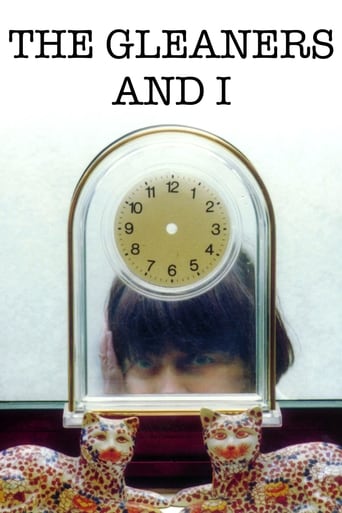
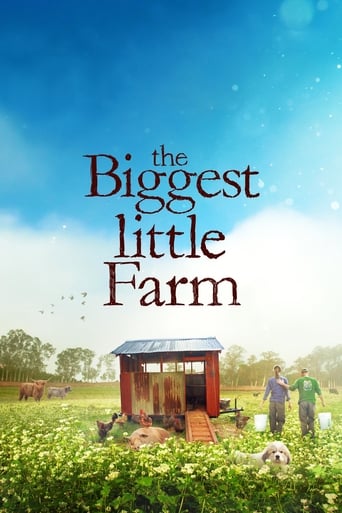
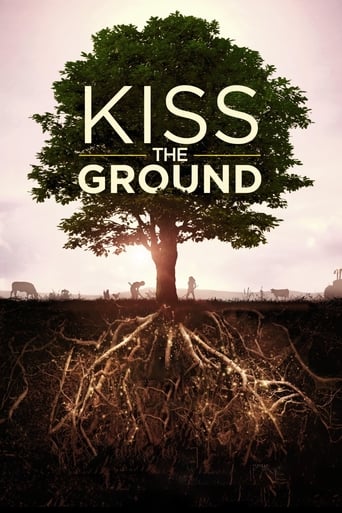
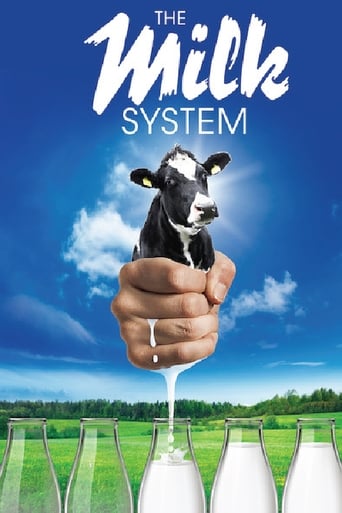
The documentaries of the shelf look at the soil. The Gleaners and I, of 2000, by Agnès Varda, follows those who gather what the harvest leaves behind, from potato fields to city markets, rated 7.7; The Biggest Little Farm, of 2019, a couple who leave Los Angeles to build a farm of many crops and animals; The Truffle Hunters, of 2020, the old men and dogs who hunt the white truffle of Piedmont at night; Kiss the Ground, of 2020, narrated by Woody Harrelson, the case for healthy soil; The Milk System, of 2017, the industry of milk in Europe, and Seed: The Untold Story, of 2016, the guardians of old seeds.
Animated kitchens
The shelf Animated kitchens holds thirteen films from 1955 to 2023, and it is the most voted shelf of the guide, with about 89,500 votes, a third of all the votes. Its most voted film is the most voted of the guide: Ratatouille, of 2007, by Brad Bird, made by Pixar, in which Remy, a rat of the countryside with a gift for taste, hides under the hat of a clumsy kitchen boy and cooks for the restaurant of the late chef Gusteau in Paris, until his dish of vegetables sends the feared critic Anton Ego back to his childhood, winner of the Academy Award for the best animated feature, rated 7.8 with about 19,100 votes.
Its best rated film is the best rated of the guide: Spirited Away, of 2001, by Hayao Miyazaki, made by Studio Ghibli, in which a girl's parents devour a feast left out at an abandoned theme park and turn into pigs, and the girl must work in a bathhouse of spirits to free them, rated 8.5, the winner of the Golden Bear of Berlin and the Academy Award for the best animated feature. Miyazaki returns with Kiki's Delivery Service, of 1989, a young witch who finds work at a bakery of a seaside town and delivers its bread on her broom, rated 7.8. The food of Disney has two great scenes: the plate of spaghetti shared in an alley behind an Italian restaurant in Lady and the Tramp, of 1955, the oldest film of the shelf, and the dream of a restaurant of New Orleans of the young waitress Tiana in The Princess and the Frog, of 2009, rated 7.2.
The rest of the shelf is comedy. Cloudy with a Chance of Meatballs, of 2009, by Phil Lord and Christopher Miller, from the children's book, an inventor whose machine makes food fall from the sky, and its sequel of 2013, Cloudy with a Chance of Meatballs 2, an island of living food; Chicken Run, of 2000, by Aardman, the hens of a Yorkshire farm who escape before their farmer turns them into pies, and Chicken Run: Dawn of the Nugget, of 2023, their return to rescue the chickens of a nugget factory; Over the Hedge, of 2006, animals who discover the snacks of the suburbs; Garfield, of 2004, the cat who loves lasagna; The Bob's Burgers Movie, of 2022, the family of a small burger restaurant from the television series, and Sausage Party, of 2016, written by Seth Rogen and his friends, the groceries of a supermarket who discover what happens to food after it is bought, the adult film of the shelf.
Food documentaries
The shelf Food documentaries holds thirteen films from 2004 to 2021 about the food we eat and the people who make it. Its most voted film is Super Size Me, of 2004, by Morgan Spurlock, who ate only at McDonald's for thirty days and filmed what it did to his body, released in the year the chain dropped its super-sized portions, rated 6.7 with about 1,850 votes. Food, Inc., of 2008, by Robert Kenner, with the writers Michael Pollan and Eric Schlosser, follows the industry of American food from the chicken farm to the supermarket, and it was nominated for the Academy Award for the best documentary, rated 7.4, and Fed Up, of 2014, narrated by Katie Couric, rated 7.3, turns to sugar.
The chefs of the shelf are the heroes of its other films. Roadrunner: A Film About Anthony Bourdain, of 2021, by Morgan Neville, tells the life of the chef and writer who travelled the world for television, from his kitchen of New York to his death in 2018; Noma: My Perfect Storm, of 2015, follows René Redzepi, whose restaurant of Copenhagen was named the best in the world; El Bulli: Cooking in Progress, of 2011, the only film of the guide in Spanish among the documentaries, follows Ferran Adrià and his team as they invent the menu of the next season in a workshop of Barcelona; For Grace, of 2015, the chef Curtis Duffy and the opening of his restaurant of Chicago, and Three Stars, of 2010, the chefs who hold three stars of the Michelin guide.
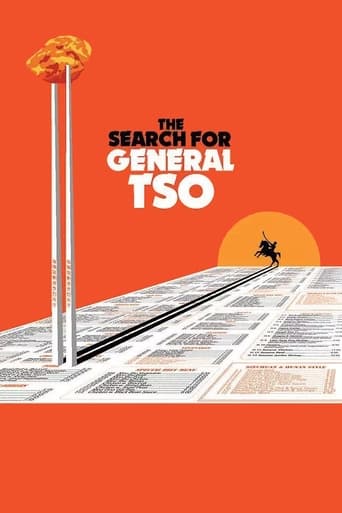
The rest of the shelf asks larger questions. Forks Over Knives, of 2011, makes the case for a diet of plants; The Search for General Tso, of 2014, the shortest film of the guide, at 71 minutes, traces the origins of a favourite dish of the Chinese restaurants of America; Wasted! The Story of Food Waste, of 2017, with Anthony Bourdain, follows the food that is thrown away; Michelin Stars: Tales from the Kitchen, of 2017, and Ottolenghi and the Cakes of Versailles, of 2020, the chef Yotam Ottolenghi and the pastry chefs he gathers for a night of cakes at the Metropolitan Museum of Art, close it. The guide The chefs on screen follows the real cooks of the guide.
The directors at the stove
Eight directors have two films each in the guide, and they show how many ways there are to film a meal. Hayao Miyazaki has the feast of Spirited Away and the bakery of Kiki's Delivery Service; Luis Buñuel the dinners of The Exterminating Angel and The Discreet Charm of the Bourgeoisie; Ang Lee the banquets of The Wedding Banquet and Eat Drink Man Woman; Thomas Vinterberg the birthday dinner of The Celebration and the drinking of Another Round; Tim Burton the chocolate factory and the pies of Sweeney Todd; Ridley Scott the vineyard of A Good Year and the dinner of Hannibal; Lasse Hallström the chocolate of Chocolat and the two restaurants of The Hundred-Foot Journey, and Michael Winterbottom the two journeys of Steve Coogan and Rob Brydon. Ted Kotcheff, who made the murders of the great chefs of Europe in 1978, is also the director of an Australian classic of the outback. The guide The directors lists them all.
The faces at the table
Johnny Depp is the great host of the guide, with three films: the chocolatier of Charlie and the Chocolate Factory, the barber of Sweeney Todd and the river traveller who charms the chocolate shop of Chocolat. Helena Bonham Carter shares two of them with him, the mother of Charlie and Mrs Lovett, and plays the stepmother of Toast. Steve Coogan eats his way through The Trip and The Trip to Italy and sits at the table of The Dinner; Julia Roberts eats in Italy in Eat Pray Love, waits tables in Mystic Pizza and gives her voice to the spider of Charlotte's Web, and Gérard Depardieu is the chef of Last Holiday, the farmer of Jean de Florette and the steward of Vatel. Meryl Streep, who is Julia Child in Julie & Julia, is also the voice of Mrs Fox in Fantastic Mr. Fox. The guide The stars lists the actors who appear most often.
The Kitchen in figures
The 156 films of the guide carry about 272,900 votes on TMDB, with an average rating of 6.85; one film reaches 8, Spirited Away, and the collection Rated 7.5 or more gathers the 32 films rated 7.5 or more, best first, from Spirited Away to Rope, The Exterminating Angel and Honeyland, at 7.9. By decade, the guide holds one film of the 1940s, one of the 1950s, three of the 1960s, six of the 1970s, fourteen of the 1980s, fifteen of the 1990s, 45 of the 2000s, 51 of the 2010s and twenty of the 2020s, and the busiest year is 2017, with ten films, from The Dinner and Okja to C'est la vie! and Back to Burgundy. The collection Before 1990 gathers the 25 films made before 1990, oldest first, and the collection The 2020s gathers the twenty films made since 2020.
Together the films last 16,103 minutes, more than 268 hours, or eleven days at the table; the longest is the Thai Hunger, with 145 minutes, followed by The Taste of Things, with 135, and the shortest is The Search for General Tso, with 71. The United States is the first country of production of 72 films, France of twenty and the United Kingdom of seventeen. The most voted films are Ratatouille, Spirited Away and Charlie and the Chocolate Factory, and the lowest rated is The Dinner, at 4.5. The guide The figures gathers every number.
Where to begin
For a first meal, start with one film from each family: Chef for the joy of cooking, Tampopo for the love of eating and Ratatouille for the dream of both. Then follow your appetite. For a feast, Babette's Feast and The Taste of Things; for a laugh, The Dinner Game and The Restaurant; for a drink, Sideways and Another Round; for a fright, The Menu and Delicatessen; for comfort, Little Forest, Sweet Bean and Midnight Diner. Anyone who wants to see real kitchens can watch Jiro Dreams of Sushi and Boiling Point on the same night, and anyone who grew up with a chocolate factory can compare its three versions. The guide Start with The Kitchen picks one film from each shelf, and the guide The chocolate factory follows the sweets of the guide.
How to use The Kitchen
The home page opens with an introduction on a white card with its gingham strip and the chalkboard Today's menu, with the twelve shelves in three columns, one per family. Each line shows the family, the shelf and, at the end of a dotted line, its number of films, and leads to its row. Each row sits in a white panel with a tomato-red top, with posters and a See the shelf button that opens the full shelf. The menu in the header leads to the three families, and the search box finds any film by its title; the guide Search tips explains how.
Each poster shows the year on a green ticket, the TMDB rating on a chalkboard ticket and the tag of its shelf on a red band, for example Chef or Drink; under the poster come the title, the first genre and the running time. The film page has the English synopsis, the cast, the director and the genres. The Watch now button opens the film on JustWatch, which shows the services that offer it in your country, and the list button keeps it in My list, stored in your browser. The guide How to use The Kitchen explains each part, and the guide The Watch now button explains how JustWatch works.
Questions
What is The Kitchen
An English guide to 156 films of food and drink, on twelve shelves in three families.
How were the films chosen
By hand from TMDB, among films in which food or drink is at the heart of the story.
Which film has the most votes
Ratatouille, with about 19,100 votes.
Which film is the best rated
Spirited Away, with an 8.5.
Which is the oldest film
Rope, of 1948, by Alfred Hitchcock.
Which is the longest film
Hunger, of 2023, with 145 minutes.
Are all the films in English
103 are in English; the others are in thirteen other languages, all with an English synopsis.
Which actor appears most often
Johnny Depp, Helena Bonham Carter, Steve Coogan, Julia Roberts and Gérard Depardieu, with three films each.
Where can I watch the films
The Watch now button opens each film on JustWatch, which shows the services that offer it in your country.
Where is My list kept
In your browser, on the device where you create it.
